
Questions to Ask Clients Before a Photoshoot (So Nothing Blows Up Later)

Most clients think a photoshoot is simple.
Show up. Take photos. Done.
What they don’t see is the planning, the lighting decisions, the editing time, and the years it took to make everything look effortless.
If you’re shooting professionally, especially in a rented studio where time is money, the quality of the session is decided long before the camera turns on. If you're still diailing in your technical setup, read our guide on camera settings for studio photography before your session.
The questions you ask before the shoot will either make your life easier or much harder.
Here are the ones that I find matter the most.
What Does a Win Look Like From This Shoot?
If I could force every photographer to ask one question before a shoot, it would be this.
What does a win look like from this photoshoot?
Because “good photos” is not a real goal.
A win might be:
- Three strong headshot for LinkedIn
- Ten polished product images of 10 different products for e-commerce
- Album artwork that represents an artist's brand & mood
- Content that will carry a business for the next three months
When you define success upfront, it changes how you approach an entire project.
You may choose different lighting.
You may shot wider for better cropping later.
You might build in extra time for retouching in your quote.
Without this question, you are guessing what matters the most to your client. And guessing is a risky risky game.
Where Are These Photos Going?
You will hear “just Instagram” more times than you can count.
But Instagram for what?
Personal page?
Business account?
Ads?
Press features?
There's a big difference between personal use and commercial use. If you need help understanding the difference, we break it down in simple terms on our guide commercial vs personal photography.
Early in my career, I shot images for an up and coming artist who told me they were just for social. Later, those same images were picked up and used in promotional material tied to a major platform. There was no conversation about extended usage or how far those images might travel.
That experience changed how I approach usage forever. I didn't react poorly to the client, but I made changes with future clients. It's important to not take your own mistakes out on a past/current client. Use everything as a learning experience. There truly is no playbook for how this career will go.
Most issues in photography do not come from bad intentions. They come from vague conversations. Don't be afraid to ask where the images are going. Ask how long they will live. Ask who else might touch them. Clarity protects everyone.
How Will These Be Used Over Time?
This question protects you from scope creep.
Some images are temporary, like for a seasonal brand promotion. Some become part of someone's identity or family heirlooms. Ask how long the client expects the images to be used, especially for commercial photoshoots.
If a brand plans to use these images for a year across multiple platforms, that affects:
- Shooting style
- File flexibility
- Copping decisions
- Licensing conversations
This is where many newer photographers get caught on their heels. Usage expands quietly until one day you see your photo pop up on Spotify's Hot New Artist playlist cover, or on a billboard driving down the interstate.
Talking about long-term usage upfront positions you as a profesional who understands business, not just cameras.
What Style Are You Actually Going For?
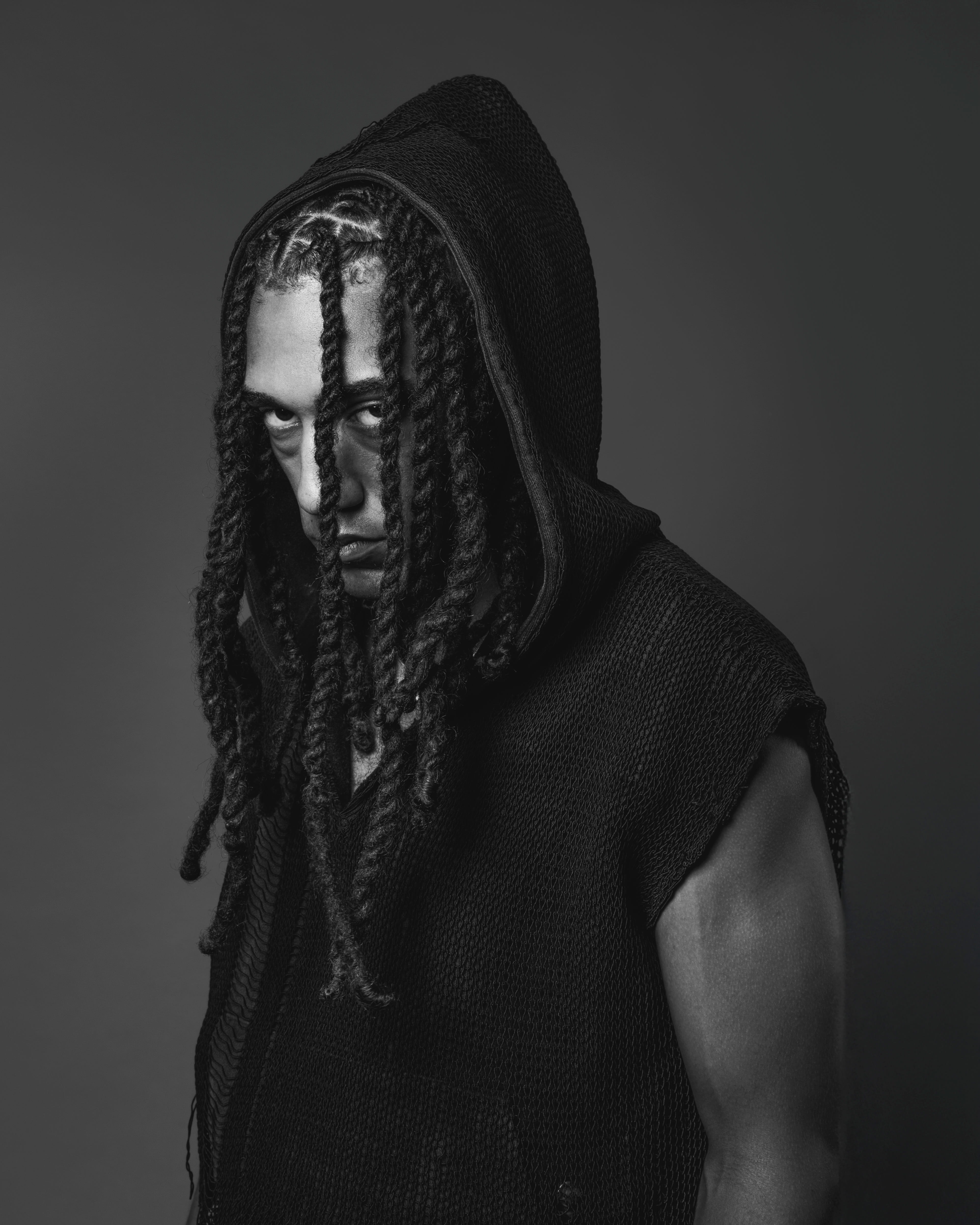
Clients will describe a shoot as “clean,” “moody,” or “modern. This is a great starting point, not full creative direction.
Instead of guessing, ask for reference images. Not to copy, but to understand. Then go deeper and point to specific details.
Is the key light in Rembrandt, Split, Paramount position?
Is the shadow really dense/dark or light and airy?
Is the background well lit or dark?
What is the posing giving in terms of movement and energy?
Most of the time, what people respond to is lighting. They just do not have the vocabulary for it yet.
What's Included and What's Not?
This is where professinal really starts to show.
How many final images?
What level of retouching?
What is the turnaround time?
Is expedited delivery available?
Most clients genuinely do not understand how much time goes into editing.
In a studio setting especially, background cleanup, dust removal, and color consistency take time. Seamless paper never stays perfect. Products show everything. LITERALLY everything.
One practical rule I follow is to underpromise and overdeliver. If it usually takes three days to edit, say a week. Deliver in three.
If something unexpected happens, you are protected. If nothing happens, the client feels taken care of. That's a win-win.
Who Is Responsible for What?
This prevents chaos on shoot day.
Who is bringing wardrobe?
Who is responsible for props?
Are models confirmed?
Is hair and makeup booked?
Studio time does not pause because someone forgot a product in their car. If you are renting by the hour, every minute has a cost attached to it.
What we see all the time in our studio is not lighting mistakes. It is time mismanagement.
Clients do not understand the importance of arriving on time.
Inexperienced photographers do not factor in set up time.
Tear down after a shoot cuts into the next photoshoot time.
If you are renting a studio for a client, it is your responsibility to manage that timeline.
Planning realistically is one of the most professional things you can do. And between me and you, if you are professional and communicate, the studio is 10x more likely to work with you when things go bad... just saying.
Does the Budget Match the Vision?
Okay, this isn't a verbatim question to ask. But the idea is imporant. The first few times this conversation will feel uncomfortable, but it matters.
Sometimes expectations simply do not match the budget, or the client will expect you to pay for whatever obnixious props they want out of your fee. That doesn't mean you lower your fee (or net fee) but change the scope.
Budget influences lighting complexity, set design, retouching depth, shoot length, and creative experimentation.
It is okay to explain what is realistic within a number.
Your job is not to justify your pricing.
Your job is to clarify what the investment creates.
Studio-Specific Advice If You Are Renting
If you are renting a studio for a client shoot, communication matters even more.
- Take a deposit.
- Clarify usage.
- Confirm timeline.
- Define the win.
- Remember to have fun.
Deposits are not just about income. They filter serious clients out.
If you are unsure about the space, ask for a walkthrough before booking client time.
At BLNK Studios, we offer short View the Space sessions so photographers can understand lighting, layout, and logistics before committing. It removes guesswork, and guesswork is expensive when the clock is running.
What Happens If You Don’t Ask These Questions?
Alright so you're on set, realize you didn't ask the right questions or prepare for the shoot. What next?
Best case, you fix it post.
Worst case, you lose money, time, or worse clients.
Most "bad shoots" are not bad because of gear, they are bad because expectations were never clearly defined.
Final Takeaway
A photoshoot does not start when the camera turns on.
It starts when the phone rings or DM hits your inbox.
When you ask better questions:
- Clients take you more seriously.
- Studio time runs smoother.
- Editing feels lighter.
- Your business becomes more stable.
- You can charge more.
Ask more. Clarify more. Protect your time.
Your future self will thank you.
If you have made it this far and still have some questions, shoot me email. I'd love to hear your thoughts and talk about this wild creative world we are working in.


Subscribe to get insights and updates.
Stay Ahead of the Curve: Subscribe to Our Newsletter for Exclusive Insights and Updates!
contact@blnkstudios.com

118 S. Beach St, Upstairs, Daytona Beach FL 32114
386-320-6022
contact@blnkstudios.com
118 S. Beach St, Upstairs, Daytona Beach FL 32114
386-320-6022
contact@blnkstudios.com
118 S. Beach St, Upstairs, Daytona Beach FL 32114
386-320-6022
Exploring the creative spectrum


