
Who Actually Owns Your Photos? A Practical Guide to Copyright for Photographers


At some point, almost every photographer hears some version of this: "I paid for the shoot, so I own the photos."
It feels like a punch to the gut the first time. And if you don't have anything in writing, you might actually wonder for a second if they're right.
They're not. But the real problem isn't that your client said it. It's that you didn't say anything first.
Understanding photography copyright basics isn't about getting aggressive with clients or turning every conversation into a legal negotiation. It's about knowing where you stand so you can communicate clearly, protect your work, and build a business that doesn't fall apart the first time someone oversteps.
Here's what actually matters.
Note: This post is for educational purposes only and is not legal advice. If you're dealing with a specific copyright situation, consult an attorney who works with photographers or creative professionals.
The Short Answer That Most Photographers Never Actually Say Out Loud
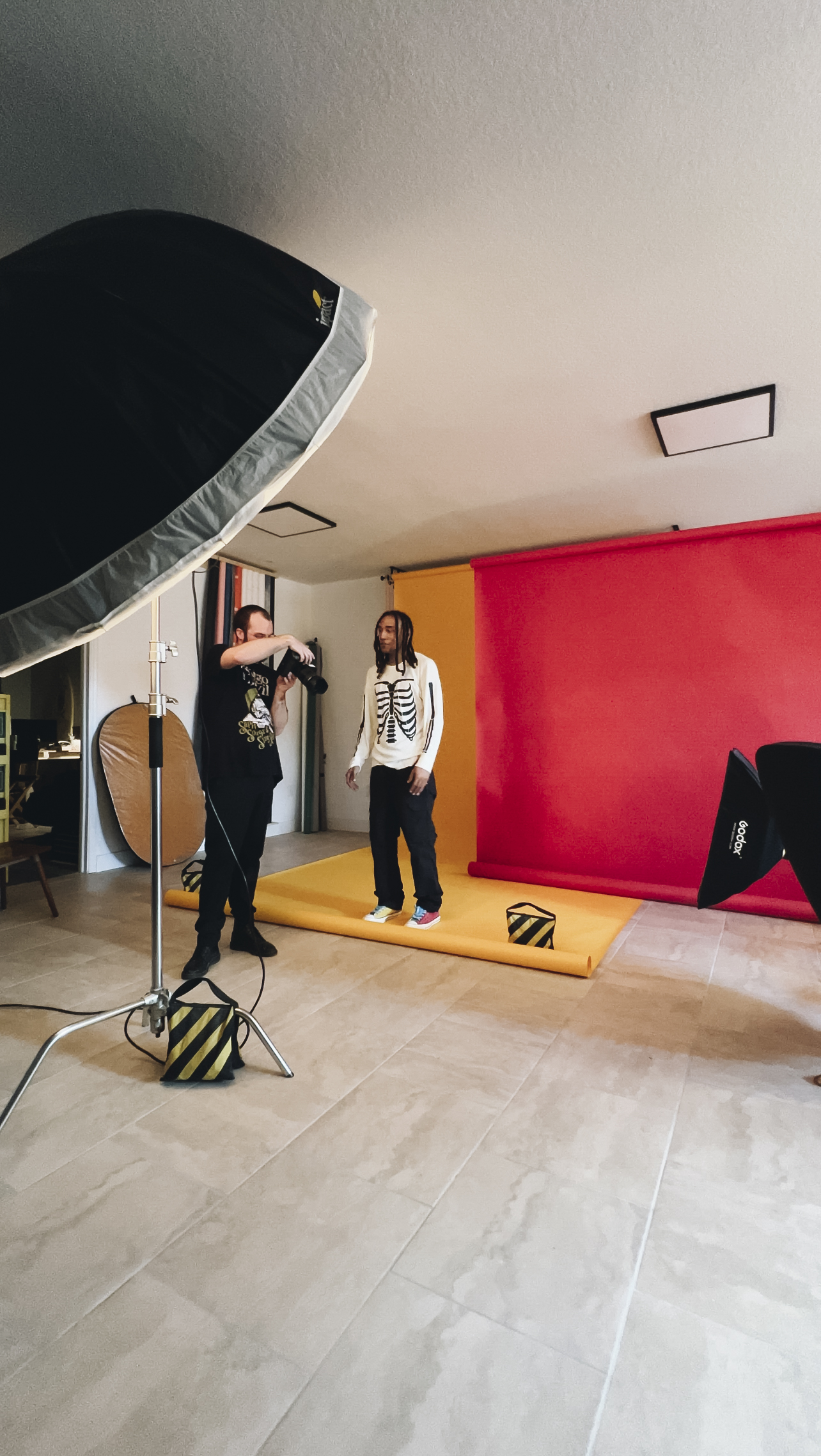
You own your photos the moment you press the shutter.
That's not an opinion. That's federal law. Under the Copyright Act of 1976, copyright protection exists automatically from the moment an image is created. No registration required. No paperwork. No copyright symbol on the file. The second it exists, it's yours.
The U.S. Copyright Office is clear on this: photographers are the copyright owners of their work unless a contract says otherwise, or unless the work qualifies as "work made for hire" — which we'll get to.
What most clients don't understand, and honestly what a lot of photographers don't explain well, is that what changes hands in a transaction is not ownership. It's permission. It's a license to use the images in specific ways.
That distinction sounds small. It isn't.
Copyright and Usage Are Not the Same Thing
This is the part that most photographers learn too late, usually after something goes wrong.
Copyright is ownership. It determines who created the work and who controls what happens to it. As the photographer, that's you by default.
Usage is permission. It's what you agree to let someone else do with the work, under what conditions, and for how long.
These two things can be completely different. And they should be spelled out separately.
Here's a real example of how this plays out in practice. We have a product client we've been working with for a while now. We've given them full usage rights, including advertising. That's a generous license, and we're comfortable with it because of the relationship we've built.
But there's a condition built into that agreement. The usage rights are tied to the current ownership of the company. If that owner sells the business, the usage does not automatically carry over to whoever buys it. We still own the copyright to every image we've created for them.
That might seem overly specific right now. But if that company grows, gets acquired, and suddenly a major corporation is using our images in national advertising campaigns without coming back to us? We have something to stand on.
This is what the American Society of Media Photographers has been saying for years. The photographer owns the rights. The client receives a license. And every additional level of usage is its own conversation, ideally with its own compensation.
Most photographers either don't know this or are too nervous to say it out loud to clients. The ones who do say it, clearly and early, are the ones who build more stable and profitable businesses over time.
Think about it this way. You could deliver a thousand photos from a shoot and most of them might sit on a hard drive forever. But one image used in an advertising campaign, on a billboard, or across a product line? The value of that single photo can be enormous. If you didn't talk about usage upfront, you've already given that value away.

What Happens When There's No Contract
Let's be direct here. If a client pushes back on who owns the photos and you have no contract, you're in a tough spot.
The law is still on your side in most cases. But enforcing that without documentation is expensive, slow, and exhausting. You might be right and still lose because you can't afford to fight.
We've been there, more times that we would like to admit. And honestly, there are still times that we get it wrong even after 10+ years in the industry.
Early on, images we shot ended up shared with a media outlet (that I'm sure you have heard of so I won't name it) that edited them and used them for event advertising without any heads up. In another situation, someone who was doing "graphic design" for a client's album cover took a photo we created, added some text, and published the work as their own design. The photo was the work. The text was decoration. That one was hard to see.
Were we in the right? Yes. Was there an easy path to making it right? Not really. Because the conversations that should have happened before the project started never did. If you're wondering what you should be asking clients before a shoot, here's a starting point for what we ask our clients.
When something like this happens, you have a choice. You can decide it's worth pursuing and deal with the time, cost, and relationship fallout that comes with it. Or you can take it as an expensive systems lesson and build better processes going forward.
Most of the time, the answer is the second one. Not because you don't deserve better, but because the energy required to fight over something after the fact is almost always greater than the energy it takes to set clear expectations before you ever start.
So what should a contract cover? At minimum:
- Who owns the copyright (the photographer, unless explicitly transferred in writing)
- What usage the client is receiving (platforms, formats, duration, territory)
- Whether that usage is exclusive or non-exclusive
- What happens if the client wants to expand usage later
- What happens if the business changes ownership or the project changes scope
- Deliverables, timelines, and what's out of scope
For photographers looking for a starting point, both ASMP and the Professional Photographers of America have resources on contract language and usage licensing. A lawyer who works with creative professionals is worth the investment, especially as your client work grows.

The One Copyright Mistake Most Photographers Make
It's not the mistake you'd expect.
Most photographers under-protect themselves. That's the real problem. The contracts are vague, the usage conversations get skipped, and everything feels fine until it doesn't.
Then something goes wrong and the overcorrection kicks in. Aggressive emails. Public callouts. Burned bridges. All the things that feel justified in the moment but make your reputation harder to rebuild than the image was to create.
What we see all the time is that the photographers who handle these situations best are the ones who had the clear conversation upfront. Not because they were being difficult. Because they were being professional.
Being calm and being clear goes a long way. Clients who respect your work will respect the conversation. Clients who don't respect the conversation are telling you something useful before you've invested your time in the project.
The goal isn't to turn every client interaction into a legal briefing. It's to make the important things normal parts of how you do business. Usage is part of scope. Scope gets defined before the shoot starts. That's it.
A Quick Note on Venues and Third Parties
This one comes up more than you'd think, especially for photographers shooting events at private venues.
A venue can set rules for what you're allowed to photograph on their property. That's within their rights. What they cannot do is claim ownership of the images you create while you're there.
There's a real and documented pattern, particularly in wedding photography, where a venue will contact a photographer after the fact and claim rights to the images because the space is recognizable in the photos. It sounds aggressive. It is. And in most cases, it doesn't hold up.
As The Law Tog explains, the general rule is clear: you press the shutter, you own the photo. A venue's ability to restrict your photography doesn't extend to transferring ownership of what you created.
The same applies to vendors. Florists, DJs, caterers, and other vendors who appear in event photos may want to use those images for their own marketing. That's understandable. But your clients cannot grant them that permission. Only you can. If a vendor wants to use your work, that's a licensing conversation between you and the vendor, and you're well within your rights to charge for it.
If a venue or third party ever makes a formal claim on your images, that's the moment to call a photographer-friendly attorney. Don't respond with just a strongly worded email.
Should You Register Your Photogrpahy Copyright?
Short answer: probably, yes. Especially if you're doing commercial work.
Copyright exists automatically without registration. But registration is what gives you the ability to actually enforce it.
If you register your images before an infringement occurs, or within three months of publication, you unlock something called statutory damages. That means instead of having to prove exactly how much money you lost, a court can award a set amount per infringement. It also means attorney's fees can be covered. In practical terms, it means you can actually afford to fight when you need to.
The U.S. Copyright Office offers a group registration option for photographers that makes this more manageable. That way you're not registering every individual image one at a time.
It's not something most beginning photographers think about. But the photographers who've had to actually fight for their work will tell you it matters.
The TLDR
You own the work. You license the use. Everything else is just a conversation that either happens before the project starts or becomes a problem after it ends.
The goal isn't to be the photographer with the most intimidating contract. It's to be the photographer who communicates clearly, knows their rights, and doesn't leave money or protection on the table because the conversation felt uncomfortable.
Talk to your clients early. Be direct about usage. Put it in writing. And when things feel murky, ask for help from people who know more than you do, whether that's a lawyer, ASMP, or another photographer who's been through it.
If you're not sure whether your shoot even qualifies as commercial in the first place, that's worth figuring out before the usage conversation. Our post on Commercial vs Personal Photography breaks down the difference in plain terms.
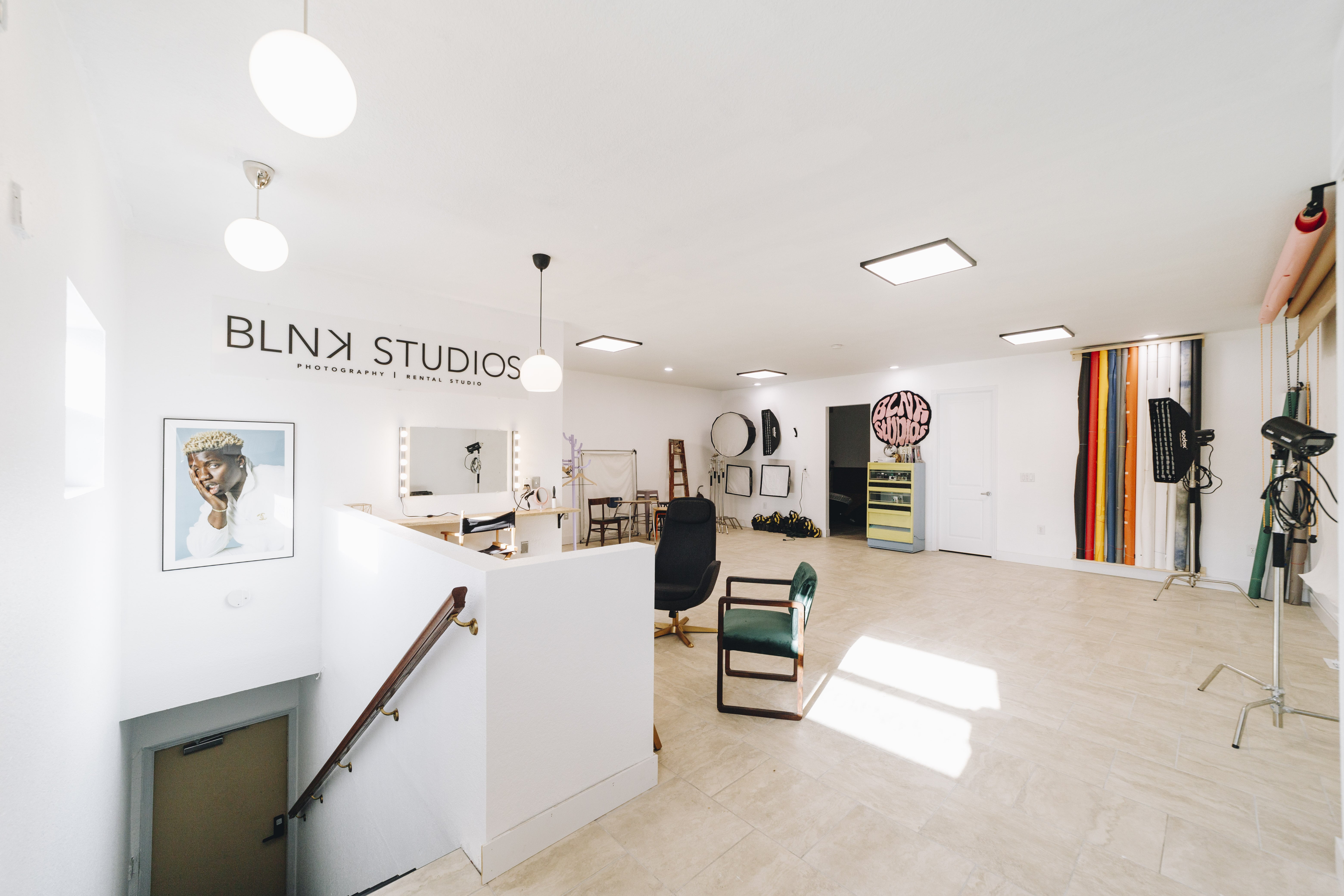
And if you're planning a client session and want to make sure the logistics match the professionalism you're bringing to the contract side of things, take a look at what BLNK Studios has available and give yourself a space that's ready when you are.

Subscribe to get insights and updates.
Stay Ahead of the Curve: Subscribe to Our Newsletter for Exclusive Insights and Updates!
contact@blnkstudios.com

118 S. Beach St, Upstairs, Daytona Beach FL 32114
386-320-6022
contact@blnkstudios.com
118 S. Beach St, Upstairs, Daytona Beach FL 32114
386-320-6022
contact@blnkstudios.com
118 S. Beach St, Upstairs, Daytona Beach FL 32114
386-320-6022
Exploring the creative spectrum


